
For the past decade, protein has dominated the food and wellness conversation. From snack bars to restaurant menus, “high protein” became synonymous with healthy eating. But in 2026, that narrative is shifting. While protein still matters, a quieter, more versatile nutrient is stepping into the spotlight: fiber.
Across grocery aisles, social media, and product launches, fiber is being reframed as the missing piece in modern diets. This growing focus has even earned a nickname—“fibermaxxing.” Unlike extreme diet trends, fibermaxxing is about subtle, sustainable upgrades that fit into everyday life.
Why Fiber Is Suddenly Everywhere
Protein’s popularity was driven by its association with muscle building and weight management. Fiber, however, offers something broader. It supports digestion, helps regulate blood sugar, improves satiety, and contributes to long-term gut health—all without requiring major lifestyle changes.
In 2026, consumers are increasingly drawn to what many experts call “quiet health.” Instead of aggressive fitness culture or restrictive diets, people want small improvements that add up over time. Fiber fits perfectly into this mindset.
Food and beverage brands are responding by:
- Adding measurable fiber content to snacks
- Reformulating everyday staples to include more whole ingredients
- Experimenting with fiber-enriched drinks and functional beverages
Fiber isn’t positioned as a punishment anymore. It’s being marketed as something easy, comforting, and practical.
What Fiber-Forward Eating Looks Like in Real Life
Fiber-forward eating doesn’t mean choking down bland bran cereal. In 2026, it looks flavorful, textural, and satisfying.
Examples include:
- Gut-health snacks with clearly labeled fiber grams
- Cabbage-core cooking, slaws, and crunchy salads
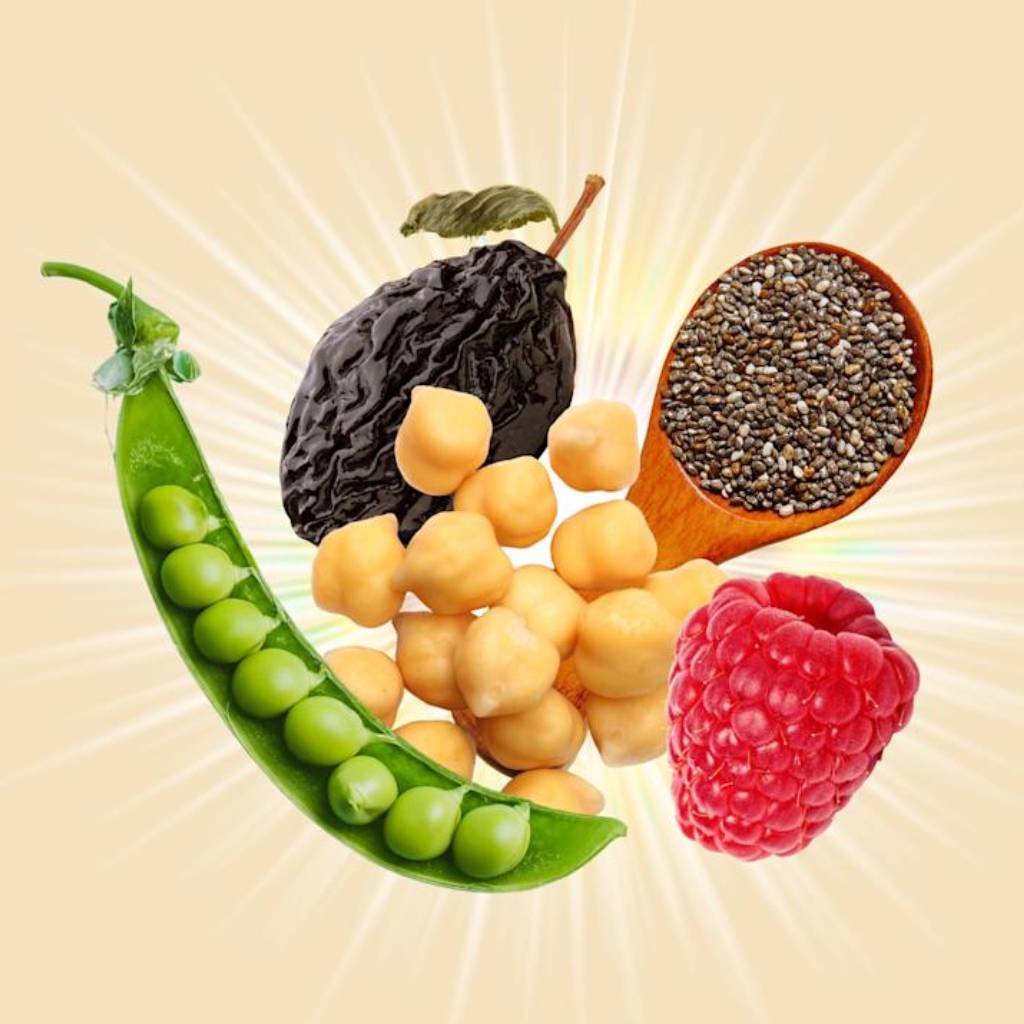
- Beans and lentils rebranded as cozy, comforting staples
- Higher-fiber versions of wraps, pasta, and breakfast cereals
This trend connects to the broader “food as function” movement. People still want indulgence, but they want their food to do something—support digestion, stabilize energy, or keep them fuller longer.
The Beverage Angle: Fiber in Your Drink
One of the biggest changes in 2026 is how fiber is delivered. Traditionally, fiber felt limited to solid foods. Now, beverage brands are making fiber drinkable.
Why now?
- Certain fibers dissolve well without affecting taste
- Advances in formulation prevent gritty textures
- Consumers already have drink-based health rituals
Powdered mixes, ready-to-drink beverages, and even fiber-enhanced coffees are becoming popular. When designed well, fiber drinks can become daily habits—similar to how protein shakes once entered mainstream routines.
How Brands Can Ride the Fiber Trend Without Getting It Wrong
Fiber is powerful, but it’s easy to overpromise. The most credible brands follow a few simple rules:
- Be specific
Clear labeling like “8g fiber per serving” builds trust. - Taste comes first
Consumers won’t sacrifice enjoyment for health anymore. - Pair fiber with texture
Crunch and chew signal satiety and real food. - Avoid medical claims
Focus on lifestyle support, not diagnoses. - Offer gentle entry points
Not everyone can jump from low to high fiber overnight.
Simple Fiber Upgrades Anyone Can Try
For lifestyle audiences, small swaps go a long way:
- Add beans or lentils to soups, tacos, or salads
- Make cabbage slaw a default side dish
- Choose snack bars with real fiber content
- Add chia or flax to yogurt or smoothies
- Build fiber-forward breakfasts with oats, berries, and nuts
The Bottom Line
In 2026, fiber isn’t trendy because it’s new—it’s trending because it’s useful. As consumers seek simple, satisfying ways to feel better, fiber has emerged as the missing macro that supports everyday wellness without drama.