

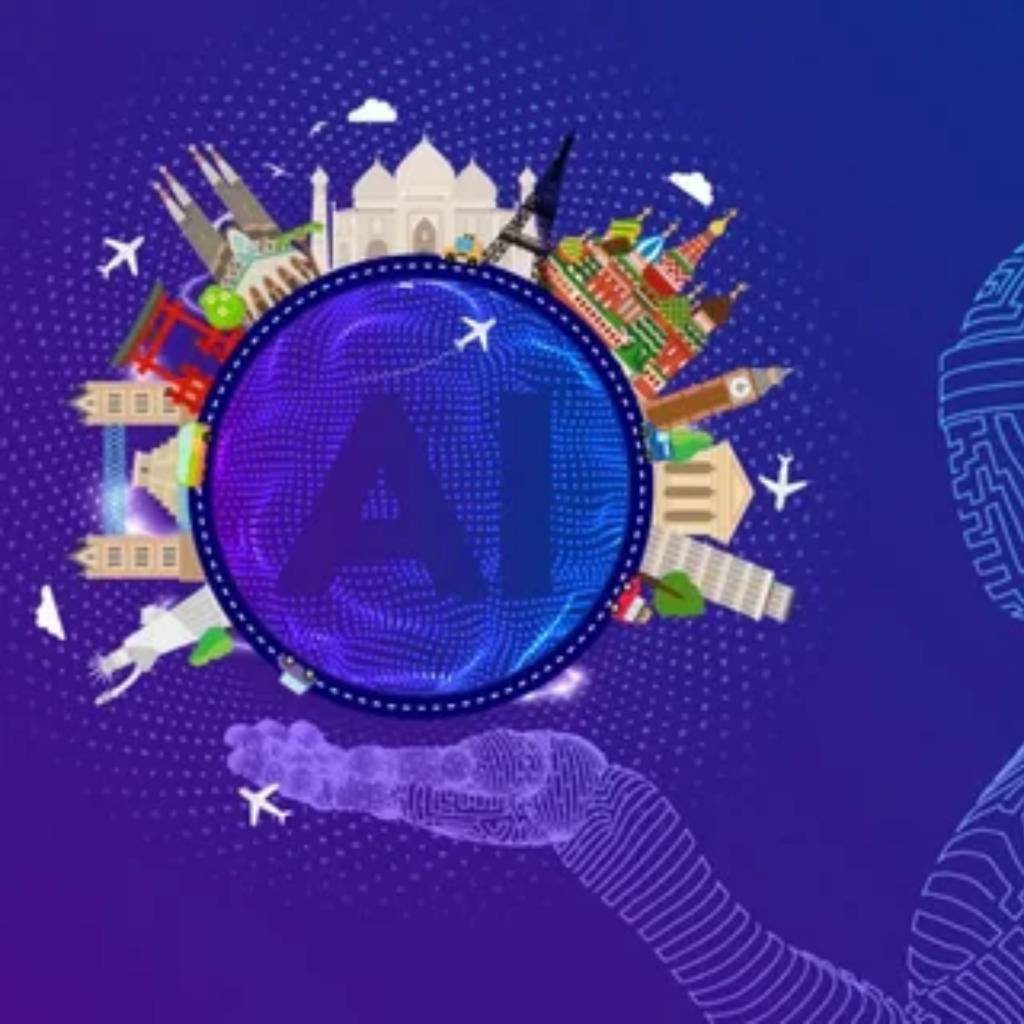
Travel in 2026 looks very different from what it did just a few years ago. Travelers are no longer satisfied with generic itineraries or rushed vacations that leave them exhausted. Instead, tourism is becoming both more personalized and more intentional. Two forces are driving this change: the rapid rise of AI-powered trip planning and a growing desire for purpose-driven travel.
Together, these trends are reshaping how people choose destinations, plan itineraries, and experience the world.
How AI Is Changing the Way We Plan Trips
Artificial intelligence has quietly become one of the most powerful tools in modern travel planning. In 2026, AI doesn’t replace human choice—it enhances it by removing friction, saving time, and revealing options travelers might never have discovered on their own.
Smarter destination discovery
One of the biggest changes is how travelers choose where to go. Instead of starting with a fixed destination, many people now begin with preferences:
- Budget range
- Climate
- Travel style (relaxed, adventurous, cultural)
- Time of year
- Crowd tolerance
AI tools analyze these inputs and suggest destinations that match the traveler’s personality rather than popularity.
This is where the concept of “destination dupes” has gained traction. AI helps travelers find places that offer similar experiences to famous destinations—but with fewer crowds and lower costs. Instead of Santorini, you might discover a quieter Greek island. Instead of Paris in peak season, a charming French city with the same cultural appeal.
Faster and more efficient planning
AI also excels at handling logistics that once took hours:
- Comparing routes and prices across platforms
- Identifying the most efficient travel windows
- Flagging better-value accommodations
- Optimizing travel days to avoid peak pricing
What used to require endless tabs and spreadsheets can now be done in minutes. This efficiency allows travelers to spend less time planning and more time imagining the experience.
Personalized itineraries that feel human
Rather than one-size-fits-all schedules, AI tools in 2026 can build itineraries based on personal interests:
- Food-focused trips
- Art and museum lovers
- Outdoor and nature explorers
- Slow travel and relaxation seekers
The result is fewer cookie-cutter trips and more experiences that feel uniquely personal—trips that inspire the reaction, “This feels like it was made just for me.”
The Rise of Intentional Travel in 2026
While AI helps with the “how,” intentional travel defines the “why.” Travelers are becoming more thoughtful about how they use their time away, choosing experiences that align with their values, energy levels, and goals.
Event-driven travel
One major theme for 2026 is event-based trips. Instead of traveling just to see a place, people are traveling for something:
- Sporting events
- Music festivals
- Cultural exhibitions
- Conferences or creative gatherings
These trips offer built-in purpose and structure, making planning easier and experiences more memorable.
Wellness-focused escapes
Wellness travel continues to grow, but it’s evolving. In 2026, wellness isn’t only about luxury spas—it’s about balance:
- Gentle movement
- Nature immersion
- Better sleep
- Reduced stimulation
Travelers are choosing destinations that support physical and mental well-being rather than constant activity.
Nature paired with quiet luxury
Another defining trend is quiet luxury—experiences that feel refined but not flashy. Think:
- Scenic lodges
- Thoughtfully designed hotels
- Natural surroundings with comfort
- Fewer crowds, more space
Travelers want beauty and comfort without overstimulation.
Shorter trips, better planned
Instead of long, exhausting vacations, many people are opting for shorter trips with more precision. AI makes this possible by maximizing limited time:
- Long weekends that feel expansive
- Carefully planned itineraries without rushing
- Fewer locations, deeper engagement
An AI Trip Planning Checklist for 2026
To get the most out of AI-assisted travel planning, keep it simple. A practical checklist includes:
- Define your non-negotiables (budget, dates, energy level)
- Input preferences, not destinations
- Compare multiple AI suggestions
- Cross-check recommendations with real traveler reviews
- Leave buffer time in your itinerary
- Save flexible options instead of rigid schedules
AI works best when paired with human judgment.
Common Mistakes to Avoid
While AI tools are powerful, there are pitfalls to watch out for.
Over-optimizing the itinerary
Trying to maximize every hour can lead to exhaustion. Travel still needs breathing room.
Ignoring rest and spontaneity
The best moments often happen outside the plan. Over-structured trips can crowd out joy.
Trusting AI blindly
AI provides suggestions—not wisdom. Personal comfort, safety, and intuition still matter.
Keeping Travel Human in an AI-Driven World
Perhaps the most important shift in 2026 travel is the balance between technology and humanity. AI should handle the logistics so travelers can focus on:
- Curiosity
- Presence
- Connection
Leaving room for wandering, conversation, and unexpected discoveries keeps trips meaningful.
Intentional travel isn’t about perfection—it’s about alignment. When trips match who you are and how you want to feel, travel becomes less stressful and more transformative.
The Future of Travel Planning
In 2026, the best trips are not the busiest or most expensive. They’re the ones that feel thoughtful, personal, and restorative. AI enables smarter planning, while intentional travel ensures those plans serve real human needs.
Together, they’re changing tourism from a race into a rhythm—one that respects time, energy, and purpose.