

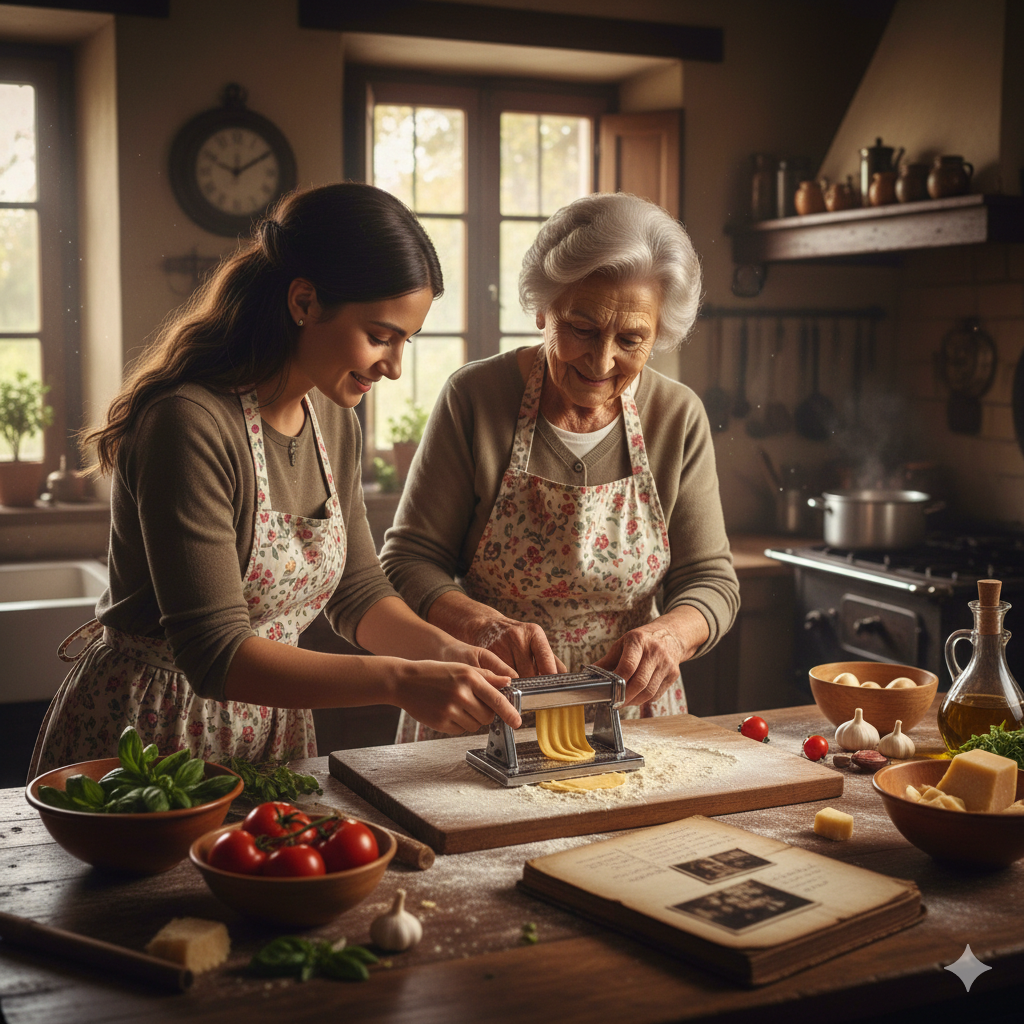
Food is more than nourishment. It is memory, identity, culture, and connection served on a plate. A single bite can transport us across decades, across oceans, back into a grandmother’s kitchen or a childhood dining room filled with laughter. Traditional recipes are not just instructions for preparing meals; they are stories passed down through generations, carefully preserved in spice boxes, handwritten notebooks, and the practiced hands of those who came before us.
In a world that moves quickly and constantly reinvents itself, traditional cooking remains one of the most meaningful ways we stay connected to our roots. The flavors tell stories—of migration, resilience, celebration, survival, and love.
The Kitchen as a Living Archive
Every culture has its culinary cornerstones: dishes that appear at weddings, festivals, family gatherings, and quiet Sunday dinners. These recipes often begin with simple ingredients, but what makes them powerful is the history they carry.
Consider a pot of slow-simmered stew. The ingredients may be humble—lentils, vegetables, herbs—but the method speaks volumes. Long cooking times often developed not just for flavor, but out of necessity. Tough cuts of meat were made tender. Seasonal vegetables were stretched to feed large families. Leftovers were repurposed into new meals. These practices reflect ingenuity and resourcefulness.
In many households, recipes are rarely written down in precise measurements. Instead, they are taught through experience: “a pinch of this,” “a handful of that,” “cook until it smells right.” This oral tradition transforms cooking into an intimate exchange. It is not just about following steps—it is about watching, tasting, adjusting, and learning through repetition.
The kitchen becomes a living archive. Every dish prepared keeps history alive.
Recipes Born from Migration
Many traditional dishes tell stories of movement. When families migrate—by choice or necessity—they carry recipes with them. Ingredients may change depending on what is available in a new land, but the heart of the dish remains the same.
Take, for example, how spices adapted along trade routes. Ingredients like cinnamon, turmeric, and chili peppers traveled across continents, reshaping local cuisines. Italian tomato sauces evolved after tomatoes were introduced from the Americas. Indian curries incorporated chilies that originally came from Central and South America. Food reflects global exchange long before globalization became a modern buzzword.
For immigrant families, cooking traditional meals becomes a way of preserving identity. The scent of familiar spices in a foreign place offers comfort. It reassures the next generation that while surroundings may change, heritage remains.
Over time, fusion dishes emerge—beautiful blends of old and new. These hybrid recipes tell a layered story: one of adaptation without forgetting.
Celebrations Served on a Plate
Traditional recipes often anchor life’s most meaningful milestones. Holiday meals, wedding feasts, religious ceremonies—each is marked by specific dishes that carry symbolic meaning.
In many cultures, sweets represent prosperity and good fortune. Bread may symbolize unity and sustenance. Rice might represent abundance. Even the act of sharing a communal dish reflects values of togetherness and equality.
These foods are rarely made casually. They require preparation, patience, and often the participation of multiple family members. Think of dumplings folded together at a kitchen table, tamales assembled in assembly-line fashion, or desserts carefully decorated with intricate detail. The process itself becomes part of the tradition.
Through repetition, these dishes form emotional landmarks in our lives. The flavor becomes inseparable from the memory of the event. Years later, tasting that same dish can reopen the feeling of celebration.
The Emotional Power of Familiar Flavors
There is a reason comfort food exists. Traditional recipes often provide emotional grounding. They remind us of stability and belonging.
When we feel overwhelmed or disconnected, returning to familiar dishes can feel like coming home. The sensory experience—aroma, texture, taste—triggers deep memory pathways in the brain. It is not simply nostalgia; it is a biological and emotional response tied to safety and attachment.
For many people, recreating a parent’s or grandparent’s recipe becomes an act of remembrance. Even if the outcome is not exactly the same, the attempt honors those who once prepared it. In this way, cooking becomes a quiet tribute.
Food holds grief as well as joy. Families often prepare a loved one’s favorite dish after they have passed, keeping their presence alive through flavor.
Why Traditional Cooking Still Matters
In the age of convenience, fast food, and meal delivery apps, some may question whether traditional cooking still holds relevance. The answer is a resounding yes.
Traditional recipes encourage patience. They slow us down. Many require preparation—marinating overnight, fermenting, kneading dough by hand. These steps invite mindfulness.
They also promote sustainability. Traditional cuisines often rely on seasonal ingredients, plant-based staples, and nose-to-tail cooking practices that minimize waste. Long before “farm-to-table” became a trend, communities were cooking with what was locally available.
Moreover, traditional cooking strengthens intergenerational bonds. Teaching a child how to prepare a family recipe connects them to their lineage in a tangible way. It fosters continuity in a world that often feels fragmented.
Adapting Without Losing the Story
Honoring tradition does not mean resisting evolution. Recipes can be adapted for modern dietary needs—gluten-free flours, plant-based alternatives, reduced sugar options—while still preserving their core identity.
The key is understanding what makes the dish meaningful. Is it the spice blend? The cooking technique? The ritual surrounding it? Once you identify the essence, adjustments can be made thoughtfully.
For example, a traditional stew may be made vegetarian while maintaining the same spice profile and slow-cooking method. A dessert may be modified for dietary restrictions without losing its celebratory symbolism.
Food traditions survive precisely because they evolve. What matters is preserving the intention behind them.
Bringing Tradition into Your Own Kitchen
If you want to reconnect with culinary heritage—whether your own or another culture’s—start with curiosity.
- Ask family members about recipes from their childhood.
- Record cooking sessions on video.
- Write down measurements that were once estimated.
- Explore cookbooks that focus on regional cuisine.
- Visit local markets for authentic ingredients.
Cooking traditional dishes does not require perfection. It requires respect and attention.
You might begin with a simple recipe passed down in your family—a soup, a bread, a dessert. As you prepare it, notice the process. Imagine who prepared it before you. Consider what circumstances shaped its creation.
Then share it. Food traditions gain strength when they are passed on.
The Story Continues
Every time we cook a traditional dish, we add a new chapter to its story. Our own experiences become part of the narrative. Perhaps we prepare it in a different country, for new friends, in a modern kitchen with updated tools. The story grows.
“Flavors That Tell a Story” is not just a poetic phrase—it is a reminder that food carries the imprint of human experience. Recipes rooted in tradition remind us where we came from and help guide where we are going.
In a rapidly changing world, returning to the kitchen and preparing a time-honored meal can feel grounding. It is a way of honoring ancestors, celebrating identity, and strengthening family bonds.
And perhaps that is the true power of traditional cooking: it feeds not only the body, but also memory, connection, and belonging. Every spice, every simmer, every shared bite continues a story that began long before us—and will carry on long after.
So the next time you cook a recipe rooted in tradition, pause for a moment. Inhale the aroma. Listen to the sizzle. Taste carefully.
You are not just making dinner.
You are keeping a story alive.