

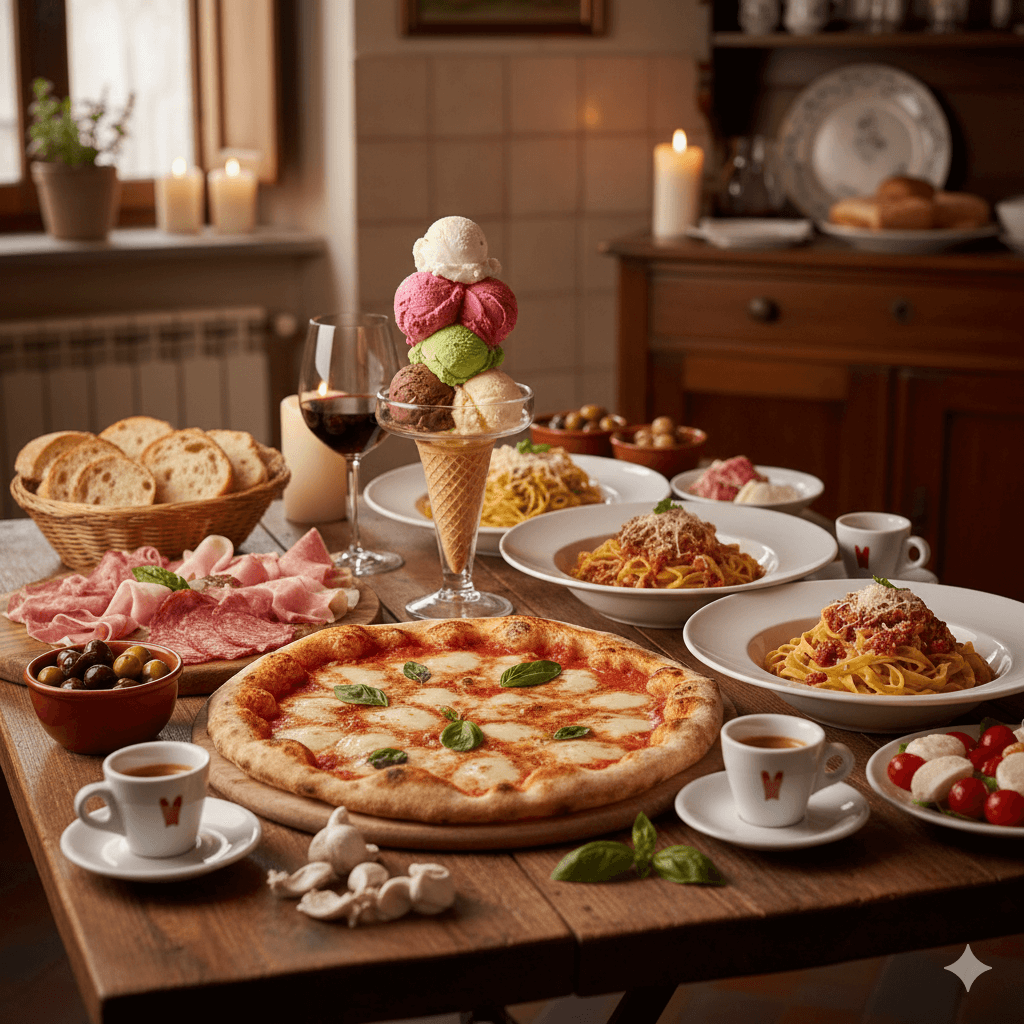
Italy is a country where food is woven into every aspect of life. Its rich culinary traditions are celebrated globally, from the streets of Naples to the canals of Venice. Traveling through Italy is a feast for the senses, offering flavors, aromas, and experiences that are as vibrant and diverse as its landscapes.
Naples: The Birthplace of Pizza
Naples is synonymous with pizza, and it’s here that the iconic Neapolitan pizza was born. Authentic Neapolitan pizza features a soft, chewy crust, fresh tomato sauce, mozzarella di bufala, and basil. The preparation and ingredients are protected by tradition, and many pizzerias in Naples adhere to strict guidelines to ensure authenticity.
Eating pizza in Naples is more than a meal—it’s a cultural experience. Local pizzerias offer bustling, lively atmospheres where families and friends gather to enjoy simple, yet perfect, flavors.
Bologna: The Heart of Pasta
Bologna, often referred to as Italy’s culinary capital, is renowned for its pasta dishes. Tagliatelle al ragù, commonly known outside Italy as spaghetti Bolognese, is a must-try, though authentic Bolognese sauce is traditionally served with wider noodles like tagliatelle.
Other specialties include tortellini, lasagna alla Bolognese, and mortadella, a type of cured meat. Food in Bologna emphasizes hearty, comforting flavors made from fresh, high-quality ingredients. Travelers can explore traditional trattorias or take cooking classes to learn the secrets of Italian pasta-making.
Rome: Gelato and Beyond
Rome offers a culinary journey that blends history with indulgence. Gelato, Italy’s famous ice cream, is a staple in Roman streets. Unlike regular ice cream, gelato is creamier and has a more intense flavor due to lower fat content and slower churning. Sampling gelato from artisanal gelaterias is an essential Roman experience.
Rome’s cuisine also includes cacio e pepe (cheese and pepper pasta), carbonara, and supplì (fried rice balls). Dining in Rome often involves leisurely meals in piazzas, enjoying fresh ingredients and the ambiance of historic streets.
Regional Specialties Across Italy
Italy’s culinary diversity is remarkable. Each region boasts unique dishes and flavors:
- Tuscany: Known for bistecca alla Fiorentina and fresh olive oil.
- Sicily: Offers cannoli, arancini (fried rice balls), and rich seafood dishes.
- Venice: Famous for risotto al nero di seppia (squid ink risotto) and cicchetti (small snacks served in bars).
Exploring Italy through its regional cuisine is a journey of discovery, connecting travelers with local traditions and stories behind each dish.
Italian Markets and Street Food
Italian markets are bustling with fresh produce, cheeses, meats, and baked goods. Visiting a local market is an immersive experience, allowing travelers to taste regional specialties and interact with vendors.
Street food is another highlight. Naples offers pizza al taglio (pizza by the slice), Florence has lampredotto sandwiches (made from cow’s stomach), and Sicily’s markets overflow with arancini, fresh pastries, and cannoli.
Wine and Olive Oil: The Perfect Pairing
Italy’s wines are legendary, with regions like Tuscany, Piedmont, and Veneto producing world-class varieties. Red wines like Chianti, Barolo, and Brunello di Montalcino pair perfectly with hearty pasta dishes, while sparkling Prosecco from Veneto offers a refreshing complement to lighter fare.
Olive oil is equally essential. Used generously in cooking and for dipping bread, it elevates flavors and reflects centuries of Mediterranean tradition.
Dining Etiquette and Experience
Italian dining emphasizes savoring food slowly, appreciating quality ingredients, and enjoying conversation. Meals often include multiple courses: antipasto (starter), primo (pasta or rice), secondo (main course), contorno (side dish), and dolce (dessert). Wine and conversation accompany every meal, making dining a celebration of life itself.
Culinary Travel Tips
- Take a cooking class: Learn to make pasta, pizza, or gelato for an immersive experience.
- Visit local markets: Discover fresh, seasonal ingredients and regional specialties.
- Try regional dishes: Every region offers something unique—don’t stick only to tourist favorites.
- Embrace local dining culture: Enjoy leisurely meals, savor each course, and soak in the atmosphere.
Conclusion
Italy is a living culinary museum, where every city, town, and village has something unique to offer. From the Neapolitan pizza in Naples to the rich pasta dishes in Bologna and artisanal gelato in Rome, each bite tells a story of tradition, passion, and creativity.
Traveling through Italy is not just about sightseeing—it’s about tasting, learning, and connecting with a culture that celebrates food as an essential part of life. For travelers seeking flavor, history, and unforgettable experiences, Italy’s culinary canvas is a masterpiece waiting to be explored.