

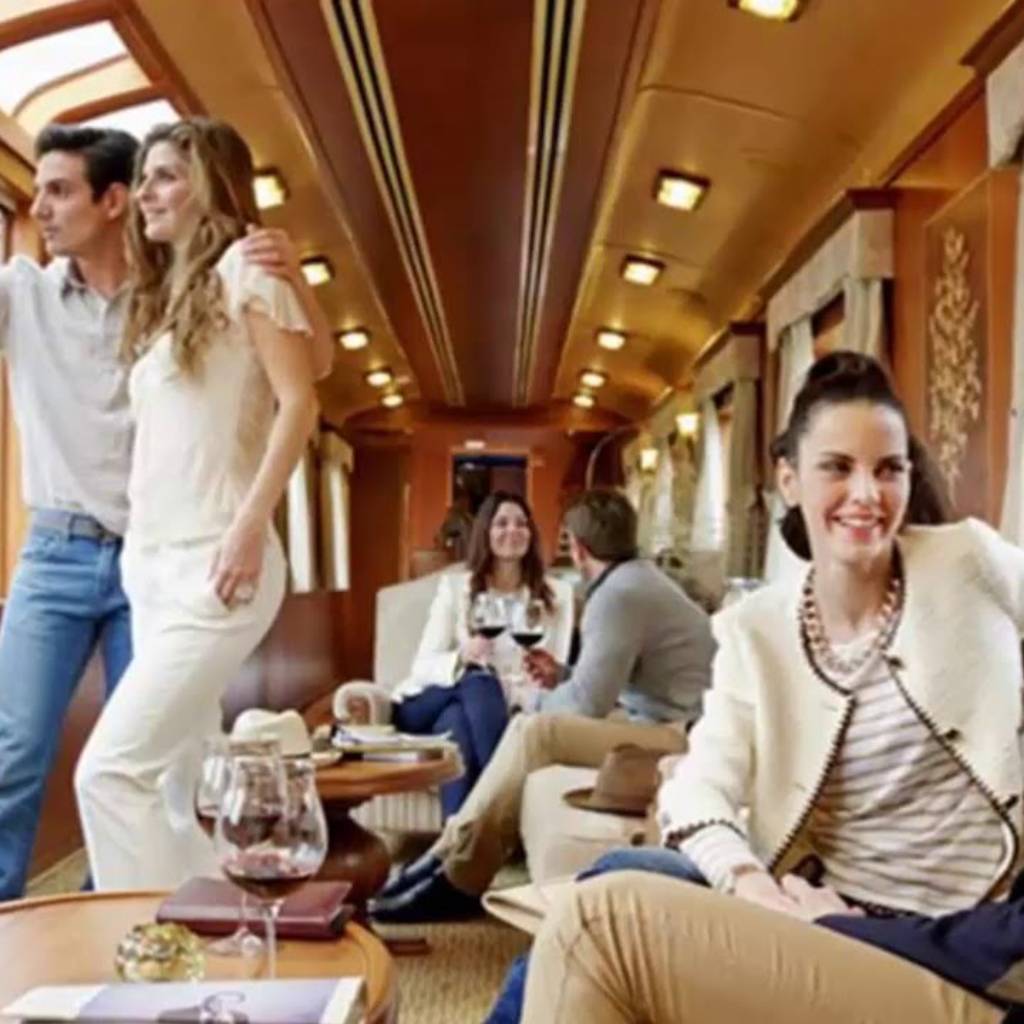
Travel in 2026 is no longer about ticking destinations off a list. Instead, it’s about how travel feels—emotionally, physically, and mentally. As travelers become more intentional with their time and money, a new wave of experiences is rising to the top. Industry trend reports and travel media point to three standout movements shaping the year ahead: luxury train travel, dry tourism, and ancestry trips.
While these trends may seem different on the surface, they share a common thread: they prioritize presence, meaning, and well-being over speed, excess, or surface-level sightseeing.
Luxury Train Travel: The Rise of Slow, Scenic Journeys
For decades, air travel dominated long-distance trips, promising speed and efficiency. In 2026, travelers are rediscovering the appeal of rail journeys, not as a necessity, but as a luxury experience in itself.
Luxury train travel is being repositioned as:
- Slow luxury rather than rushed convenience
- Scenic immersion, where the journey is as meaningful as the destination
- Lower-stress long-distance travel with fewer logistics and disruptions
Modern luxury trains offer private cabins, fine dining, panoramic windows, and curated onboard experiences. Instead of navigating airports, security lines, and delays, travelers settle into plush seating, watch landscapes unfold, and enjoy a sense of calm rarely associated with long trips.
This shift reflects a broader desire to slow down. Travelers are choosing fewer destinations but deeper experiences. Rail journeys allow people to read, write, converse, and simply observe—something increasingly rare in hyper-connected lives.
Another appeal is sustainability. Trains are often seen as a more environmentally responsible option compared to short-haul flights, making them attractive to eco-conscious travelers who want comfort without guilt.
In 2026, luxury train travel isn’t about nostalgia alone—it’s about reclaiming travel as a thoughtful, immersive experience.
Dry Tourism: Travel That Doesn’t Revolve Around Alcohol
Another defining travel trend of 2026 is the rise of dry tourism—trips that don’t center around drinking culture. While alcohol has long been woven into vacations through nightlife, resorts, and social events, many travelers are choosing alternatives that support clarity, wellness, and connection.
Dry tourism doesn’t mean avoiding fun. Instead, it replaces alcohol-centric activities with experiences that energize rather than exhaust.
Popular dry tourism experiences include:
- Morning hikes and sunrise excursions
- Sauna culture and hot-cold therapy rituals
- Social bathhouses that encourage relaxation and conversation
- Café, bakery, and food-focused itineraries
This trend is especially strong among younger travelers and wellness-oriented groups, but it’s not limited to them. Many people simply want vacations where they return home feeling better—not depleted.
Dry tourism also aligns with the growing popularity of wellness travel. Travelers are seeking trips that support better sleep, mental clarity, and physical recovery. Instead of late nights and hangovers, days are structured around movement, nourishment, and rest.
Cities and destinations are responding by offering:
- Alcohol-free bars and lounges
- Wellness-forward retreats
- Cultural experiences centered on food, art, and nature
In 2026, dry tourism represents a shift from “escape at all costs” to intentional enjoyment—finding pleasure in presence rather than excess.
Ancestry Travel: Journeys Rooted in Identity and Heritage
Perhaps the most emotionally powerful travel trend of 2026 is ancestry travel—journeys designed to explore personal heritage and family history.
With the rise of genealogy tools, DNA testing, and digital archives, more people have access to detailed information about where their families came from. Travel is becoming a way to turn that data into lived experience.
Ancestry trips often include:
- Visiting ancestral towns or regions
- Exploring historical records and local archives
- Meeting distant relatives or community members
- Learning traditional customs, crafts, or recipes
Unlike typical sightseeing trips, ancestry travel is deeply personal. Travelers aren’t just learning about a place—they’re learning about themselves.
These journeys are often emotional, reflective, and meaningful. Standing in a village where a grandparent once lived or walking the streets your ancestors walked can create a powerful sense of continuity and belonging.
Ancestry travel is also highly shareable. Stories rooted in identity resonate strongly on social media, blogs, and family circles. But beyond sharing, the true value lies in connection—to history, culture, and lineage.
In 2026, as people search for grounding in a fast-changing world, ancestry travel offers something rare: a sense of roots.
Why These Trends Matter in 2026
Luxury trains, dry tourism, and ancestry trips may seem unrelated, but they reflect a broader shift in how people view travel. Travelers are prioritizing:
- Depth over volume
- Well-being over indulgence
- Meaning over novelty
Travel is no longer just a break from life—it’s a way to enhance life.
Instead of chasing the most destinations, travelers are choosing experiences that align with their values, health, and identity. They want stories worth telling, not just photos worth posting.
The Future of Travel Is Intentional
As 2026 unfolds, these trends signal a future where travel is slower, richer, and more personal. Whether it’s watching landscapes pass from a luxury train, enjoying a sunrise hike instead of a late night out, or tracing family roots across continents, the biggest travel experiences of the year invite travelers to be present.
In a world that moves fast, travel is becoming one of the few spaces where slowing down is not only allowed—but celebrated.